
AI-Powered Phishing and Scams Transforming the Cybersecurity Landscape
The cybersecurity landscape is undergoing a major shift as artificial intelligence becomes a powerful tool for cybercriminals, reshaping traditional phishing and scam tactics.
Unlike earlier phishing campaigns, which often contained obvious errors and warning signs, modern AI-driven attacks are sophisticated and challenging even for vigilant users to detect.
These attacks leverage neural networks to craft highly convincing messages that mimic legitimate communications, increasing the difficulty of detection.
Data Harvesting for Personalized Attacks
Cybercriminals now use machine learning algorithms to analyze vast amounts of open-source intelligence (OSINT) from:
- Social media platforms
- Corporate websites
- Public databases
This enables the creation of highly personalized attacks, targeting specific individuals or organizations. These messages can include sensitive internal details or personal relationships that would previously have been impossible for outsiders to acquire.
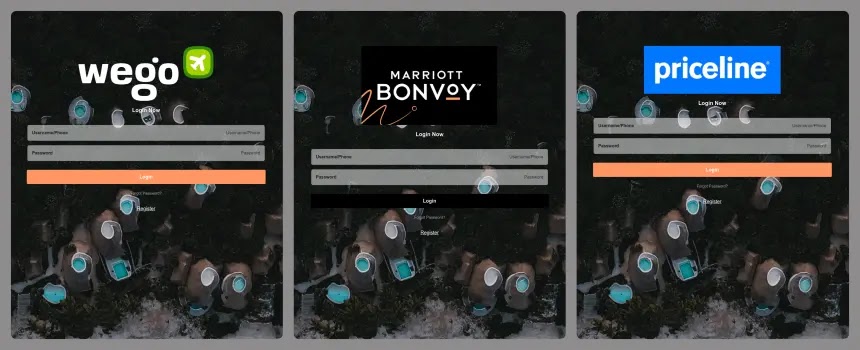
AI Chatbots and Multi-Vector Campaigns
Researchers at Securelist highlight that AI integration allows attackers to conduct multiple simultaneous conversations through advanced chatbots.
AI-driven phishing operations now extend beyond text generation to include:
- Voice cloning
- Deepfake video creation
- Automated website generation
This multi-vector approach significantly increases the likelihood of successful attacks.
The rise of deepfake technology in phishing is particularly alarming, with attackers creating realistic audiovisual content featuring:
- Celebrities
- Public figures
- Personal contacts
Fraudulent campaigns often use YouTube Shorts or similar platforms to present fake endorsements, promoting scams, fake giveaways, or investment schemes.
These deepfake campaigns blur the line between genuine and fraudulent content, making traditional visual verification unreliable.
Advanced Evasion Through Trusted Platforms
Modern AI-powered phishing also exploits legitimate services to evade security detection. Cybercriminals frequently use platforms such as:
- Google Translate
- Telegraph
They host phishing pages via these services, producing translate.goog subdomain links, which appear more trustworthy due to Google’s infrastructure.

Additionally, attackers use blob URLs generated through JavaScript, which create temporary, browser-based links storing malicious content locally.
This technique complicates detection because the malicious payload exists only in the victim’s browser session, leaving minimal forensic evidence.
Conclusion
The evolution of AI in phishing has made attacks more targeted, convincing, and evasive than ever before. Organizations and individuals must remain vigilant, scrutinize links and communications carefully, and implement AI-aware threat detection to mitigate these sophisticated attacks.

