Threat

GootLoader Malware Uses 500-1,000 Concatenated ZIP Archives to Evade Detection

Security researchers have identified a new evasion technique used by the GootLoader JavaScript malware, in which attackers rely on malformed ZIP files created by combining hundreds of compressed archives into a single payload to avoid analysis and detection. According to Expel security researcher Aaron Walton, the threat actor deliberately creates corrupted ZIP archives as an anti […]

GootLoader Malware Uses 500-1,000 Concatenated ZIP Archives to Evade Detection Read More »

Five Malicious Chrome Extensions Masquerade as Workday and NetSuite to Hijack Accounts

Cybersecurity researchers have identified five malicious Google Chrome extensions designed to mimic HR and ERP platforms such as Workday, NetSuite, and SuccessFactors, enabling attackers to hijack victim accounts. “These extensions operate together to steal authentication tokens, disable incident response features, and enable full account takeover via session hijacking,” said Socket researcher Kush Pandya in a

Five Malicious Chrome Extensions Masquerade as Workday and NetSuite to Hijack Accounts Read More »

LOTUSLITE Backdoor Targets U.S. Policy Entities Through Venezuela-Themed Spear Phishing

Cybersecurity researchers have revealed a new malware campaign aimed at U.S. government and policy organizations, using politically themed lures to deliver a backdoor called LOTUSLITE. The campaign exploits geopolitical tensions between the U.S. and Venezuela. Attackers distributed a ZIP archive named “US now deciding what’s next for Venezuela.zip”, which contains a malicious DLL. This DLL is executed

LOTUSLITE Backdoor Targets U.S. Policy Entities Through Venezuela-Themed Spear Phishing Read More »

Critical WordPress Modular DS Plugin Vulnerability Actively Exploited to Gain Admin Access

Security researchers have confirmed active exploitation of a critical vulnerability affecting the Modular DS WordPress plugin, allowing attackers to gain administrator level access without authentication. The issue has been disclosed by WordPress security firm Patchstack and is already being abused in real world attacks. The vulnerability is tracked as CVE-2026-23550 and carries a maximum CVSS

Critical WordPress Modular DS Plugin Vulnerability Actively Exploited to Gain Admin Access Read More »

Researchers Disclose Reprompt Attack Enabling One-Click Data Exfiltration From Microsoft Copilot

Cybersecurity researchers have uncovered a new attack technique named Reprompt that allows threat actors to silently extract sensitive information from AI chatbots such as Microsoft Copilot with just a single click. The attack operates without requiring plugins, user interaction, or visible prompts, creating a serious blind spot for enterprise security controls. According to Varonis security researcher Dolev

Researchers Disclose Reprompt Attack Enabling One-Click Data Exfiltration From Microsoft Copilot Read More »

Microsoft Legal Action Disrupts RedVDS Cybercrime Infrastructure Behind Online Fraud

Microsoft has successfully taken legal measures in the U.S. and U.K. to dismantle RedVDS, a subscription-based cybercrime service that enabled criminals to carry out widespread online fraud. The action included seizing domains redvds[.]com, redvds[.]pro, and vdspanel[.]space, effectively taking the illegal service offline. RedVDS allowed threat actors to access cheap, disposable virtual computers for as little as $24 per month,

Microsoft Legal Action Disrupts RedVDS Cybercrime Infrastructure Behind Online Fraud Read More »

Researchers Null-Route More Than 550 Kimwolf and Aisuru Botnet Command Servers

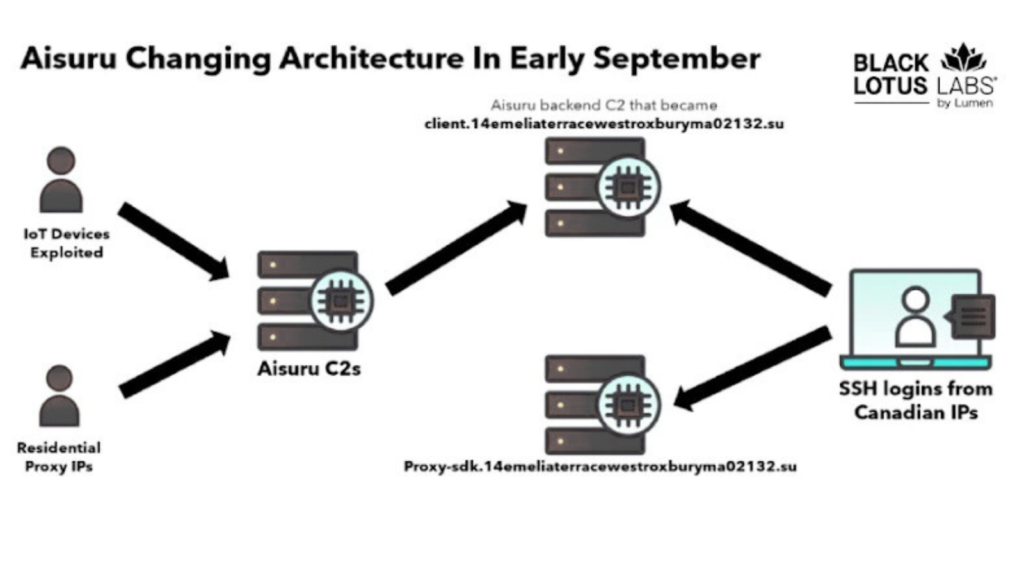
Security researchers have disrupted a major botnet operation after null-routing traffic linked to more than 550 command-and-control servers tied to the AISURU and Kimwolf botnets. The takedown was carried out by Black Lotus Labs, the threat intelligence arm of Lumen Technologies, and began in early October 2025. These botnets have rapidly grown into some of the largest active malicious

Researchers Null-Route More Than 550 Kimwolf and Aisuru Botnet Command Servers Read More »

Hackers Abuse c-ares DLL Side-Loading to Evade Security and Deploy Malware

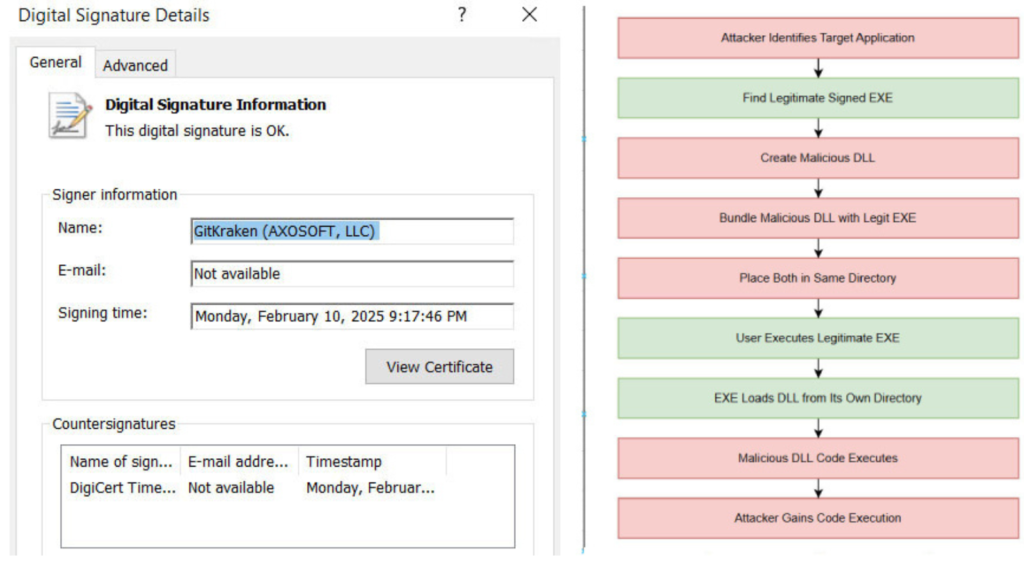
Cybersecurity researchers have uncovered an active malware campaign that abuses a DLL side-loading weakness in a legitimate binary linked to the open-source c-ares library. By exploiting this technique, attackers are able to bypass traditional security controls and deliver a wide range of commodity malware, including trojans, stealers, and remote access tools. How the Attack Works According to

Hackers Abuse c-ares DLL Side-Loading to Evade Security and Deploy Malware Read More »

Fortinet Patches Critical FortiSIEM Vulnerability Allowing Unauthenticated Remote Code Execution

Fortinet has released security updates to address a critical vulnerability in FortiSIEM that could allow unauthenticated attackers to execute arbitrary code on affected systems. The flaw poses a serious risk to organizations using vulnerable FortiSIEM deployments, particularly those with exposed management services. Vulnerability Overview The issue, tracked as CVE-2025-64155, carries a CVSS score of 9.4, indicating critical

Fortinet Patches Critical FortiSIEM Vulnerability Allowing Unauthenticated Remote Code Execution Read More »

PLUGGYAPE Malware Uses Signal and WhatsApp to Target Ukrainian Defense Forces

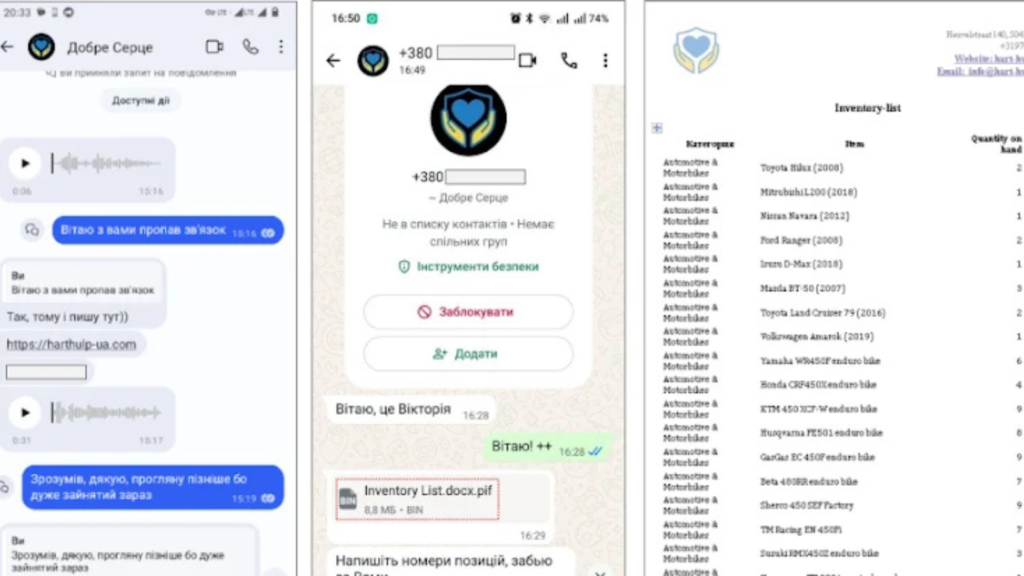
Ukraine’s Computer Emergency Response Team (CERT-UA) has revealed details of a recent cyber espionage campaign targeting Ukrainian defense forces using a malware strain known as PLUGGYAPE. The attacks were observed between October and December 2025. CERT-UA has attributed the activity with medium confidence to a Russia aligned threat group tracked as Void Blizzard, also known

PLUGGYAPE Malware Uses Signal and WhatsApp to Target Ukrainian Defense Forces Read More »