Microsoft has addressed a critical security weakness in its Entra ID platform that could have allowed attackers to gain control over service principals and escalate privileges within enterprise environments.
The issue, uncovered by cybersecurity firm Silverfort, involved a built-in administrative role designed for managing artificial intelligence driven identities.
Understanding the Role and the Risk
The vulnerability was linked to the “Agent ID Administrator” role, which Microsoft introduced to manage the lifecycle of AI agent identities within a tenant. This role is intended to handle authentication, resource access, and interaction between AI agents in a secure environment.
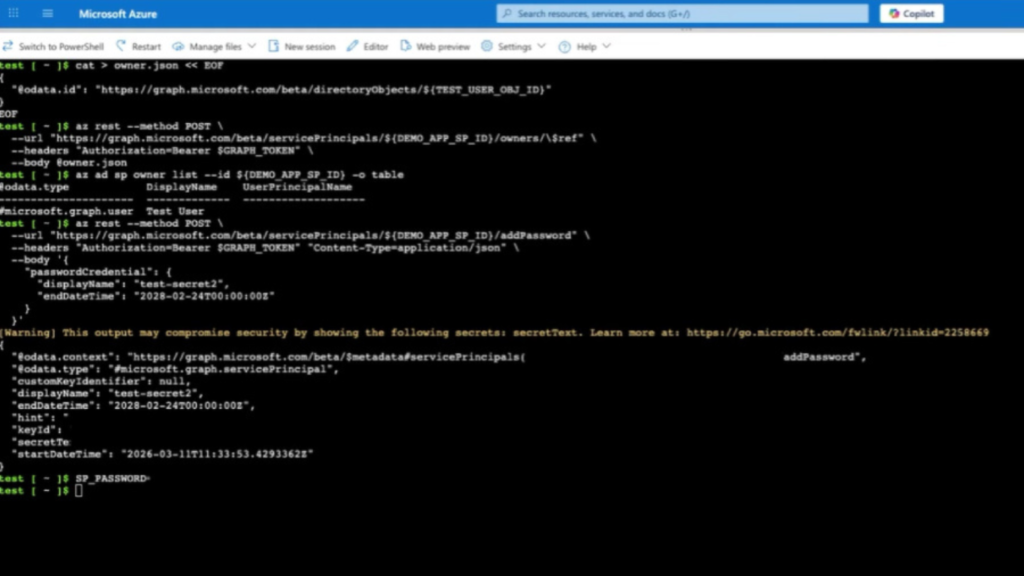
However, researchers found that this role had broader permissions than intended. Users assigned to it could take ownership of service principals, even those unrelated to AI agents. Once ownership was obtained, attackers could attach their own credentials and effectively impersonate those service principals.
Security researcher Noa Ariel explained that this behavior enabled a complete takeover scenario, particularly dangerous in environments where high-privilege service principals exist.
Impact of Service Principal Takeover
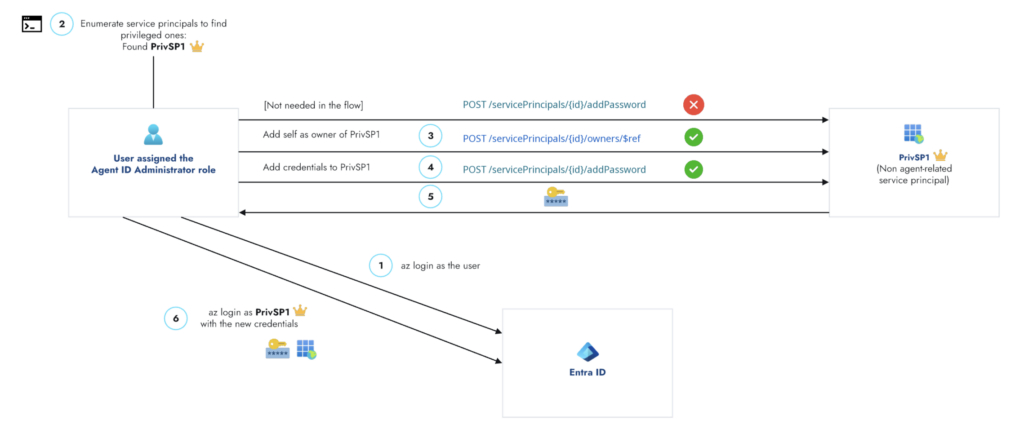
Gaining control of a service principal allows attackers to operate with its assigned permissions. If the compromised principal holds elevated privileges, such as directory roles or Microsoft Graph permissions, attackers can expand their access significantly across the tenant.
This creates a clear path for privilege escalation, potentially leading to broader system compromise and unauthorized control over sensitive resources.
Microsoft’s Response and Patch Deployment
After the issue was responsibly disclosed on March 1, 2026, Microsoft implemented a fix across all cloud environments by April 9, 2026.
The update restricts the Agent ID Administrator role from assigning ownership to non-agent service principals. Any attempt to do so now results in a “Forbidden” error, effectively blocking the exploit path.
Security Lessons and Recommendations
The incident highlights the importance of carefully defining role boundaries and permission scopes, especially as organizations adopt AI-driven identity systems.
Security experts recommend several mitigation steps:
- Monitor usage of sensitive administrative roles
- Track changes in service principal ownership
- Protect high-privilege service principals
- Audit credential creation and modifications regularly
Broader Implications in the AI Era
This vulnerability reflects a growing challenge in managing non-human identities, particularly those associated with AI systems. As organizations increasingly rely on automated agents, ensuring strict access control becomes essential.
Experts emphasize that even small gaps in role design can lead to unintended access expansion, especially when layered on top of existing identity infrastructures.
Found this article interesting? Follow us on X (Twitter) , Facebook, Blue sky and LinkedIn to read more exclusive content we post.

